Yvette Amos BBC Wales Today Viral Background Mishap – What Really Happened in January 2021
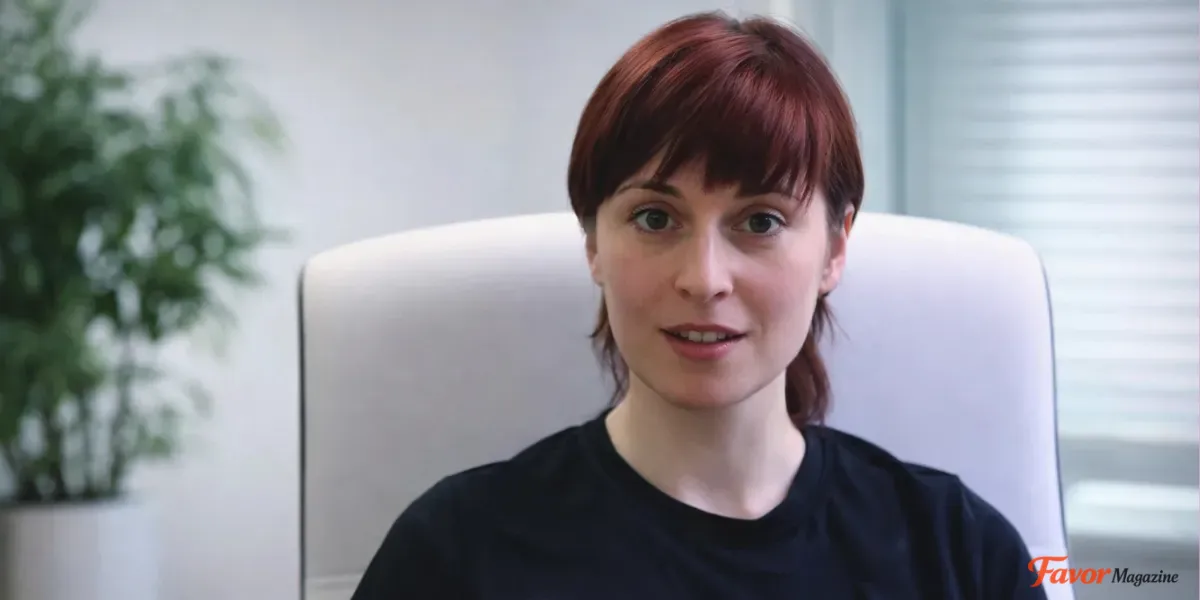
Yvette Amos is a Cardiff-based woman who accidentally became an internet viral sensation in January 2021 after her BBC Wales Today interview turned into a social media moment no one saw coming. She had simply joined a live video call to speak honestly about COVID-19 pandemic unemployment, something millions of people across the UK were going through at the time. But instead of her words making headlines, it was her video call background that caught everyone’s attention. A shelf behind her sparked a wave of memes, tweets, and viral clips that spread across the internet within hours. Her calm, authentic response to the whole situation is what made her truly memorable.
Yvette Amos Personal Information
| Detail | Information |
|---|---|
| Full Name | Yvette Amos |
| Location | Cardiff, Wales, UK |
| Known For | Viral BBC Wales Today interview background mishap |
| Date of Incident | January 2021 |
| Profession | Research and Advisory Work |
| Social Media | Active on Instagram and other platforms |
| Public Response | Handled viral attention with humor and grace |
| Current Status | Living privately, focused on professional work |
Who Is Yvette Amos and Why Did She Go Viral?
Before the viral moment, Yvette Amos was living a fairly ordinary life in Cardiff, Wales. She was involved in research and advisory projects and, like so many others during the COVID-19 lockdown, was navigating job uncertainty and financial pressure. When she was invited to appear on BBC Wales Today to discuss unemployment during the pandemic, she had no idea her name would soon be all over the internet.
The interview itself was meant to be a serious conversation. Yvette spoke with sincerity and purpose. But eagle-eyed viewers watching the BBC Wales program quickly noticed something unexpected sitting on a shelf in her background. That one detail turned into a viral background mishap that nobody, including Yvette herself, could have predicted.
Within minutes of the clip airing, the online community had already started sharing it. Memes spread across Twitter, Reddit, and Instagram almost instantly. The BBC Wales interview clip became one of those rare accidental internet fame moments that defines a specific era, in this case, the strange and often funny world of work from home life during lockdown.
The BBC Wales Today Interview That Started It All
In January 2021, the UK was deep into one of its most difficult lockdown periods. Remote work was the norm, Zoom call backgrounds were a daily conversation topic, and the line between professional and personal space had completely blurred for most people.
Yvette joined the BBC Wales Today broadcast from her home in Cardiff. Her message was important and real. She wanted to talk about the socio-economic challenges that came with COVID job loss and the emotional weight of unemployment. It was the kind of honest, grounded perspective that viewers needed to hear.
But what unfolded was something else entirely. As Yvette spoke calmly on camera, viewers at home began noticing the shelf visible over her shoulder. The items placed there created a moment that the internet could not resist. The viral BBC clip spread fast, and by the time most people had finished their morning coffee, Yvette Amos was already trending.
How Social Media Reacted to the Viral Background Mishap
The reaction online was overwhelmingly good-natured. Most people were not laughing at Yvette in a mean-spirited way. Instead, the viral moment tapped into something many viewers found deeply relatable. Everyone had been through the work from home background struggle. Everyone had rushed to tidy up before a video call. Everyone had at some point forgotten about something sitting in plain sight behind them.
The meme sensation that followed was a reflection of shared pandemic experience. Twitter threads filled with jokes and warm commentary. Reddit posts analyzed the viral video frame by frame. Instagram accounts shared the clip with captions that captured the humor perfectly.
What made the moment stand out even more was Yvette’s reaction. She did not disappear. She did not panic. She handled the online viral fame with grace and even engaged with the humor herself, which only made people admire her more.
What Made Yvette Amos Different From Other Viral Moments
There have been plenty of video call background fail moments over the years, but few have stuck in the cultural memory quite like this one. The reason is simple: Yvette Amos felt like a real person.
In a digital world full of curated online personas and polished presentations, her accidental viral moment was completely unfiltered. There was no PR team behind her, no carefully planned image, no brand to protect. She was just a woman from Cardiff trying to make a serious point about unemployment during a pandemic, and the internet loved her for it.
Her story became a cultural symbol of pandemic-era authenticity. It reminded people that behind every video call, every news interview, and every online appearance, there is a real human being living a real life. That message, as simple as it is, resonated deeply with millions of people who were all feeling the same pressure to appear polished and professional while the world outside was falling apart.
Life After Going Viral: What Happened to Yvette Amos?
After the initial wave of attention died down, Yvette Amos returned to her professional life without much fanfare. She had not set out to become an internet celebrity, and she made no attempt to chase further fame. Her focus remained on her research and advisory work, and she maintained a low profile in terms of public appearances.
That said, the experience did leave a mark. In conversations that followed, Yvette reflected on how quickly something private and personal can become public property in the age of social media. She acknowledged the humor in her situation while making it clear that her original message about COVID-19 pandemic unemployment was still something she cared deeply about.
She also continued to engage with her audience on social media in a quiet, genuine way. Her Instagram presence remained active but unpretentious, which is entirely consistent with the authenticity that made her viral moment so memorable in the first place.
What Is Yvette Amos Doing Now?
Today, Yvette Amos continues to live in Cardiff and remains focused on her professional work in research and advisory roles. She has not sought out the spotlight again, nor has she tried to monetize her moment of internet fame in obvious ways.
She is someone who clearly understands the transient nature of internet culture. Viral fame fades. Memes are forgotten. But the way a person handles an unexpected moment of public attention says a lot about their character, and in that regard, Yvette Amos made an impression that lasted far longer than the original clip.
Her story serves as a quiet reminder that staying grounded after fame, even accidental and momentary fame, is its own kind of strength.
Why Yvette Amos Still Matters in Digital Culture
The Yvette Amos BBC Wales Today story is not just a funny anecdote from the pandemic years. It is a snapshot of a specific moment in digital culture when the world was simultaneously more connected and more vulnerable than ever before.
Her viral background mishap happened at a time when people were desperate for something light to hold onto. The lockdown interview mishap gave them exactly that, a shared laugh, a moment of recognition, and the reassuring sight of someone just like them appearing on a major news channel with a shelf that said something unexpected about real life.
In an era when going viral unintentionally can feel terrifying, Yvette showed that it is possible to face that kind of exposure without losing yourself. She turned an awkward situation into a moment of genuine connection, and that is something worth remembering long after the memes have faded.
Final Thoughts
Yvette Amos became famous not because she planned it, not because she worked for it, and not because she had anything particularly extraordinary to offer beyond herself. She went viral because she was real, because her background was real, and because her reaction was real.
In a world increasingly driven by performance and polish, that kind of accidental authenticity is rarer than it looks. And that is exactly why people are still searching for her name years after that January 2021 BBC Wales Today moment first lit up the internet.