
Hazel Vorice McCord: Biography, Dick Van Dyke Mother, Van Dyke Family Matriarch
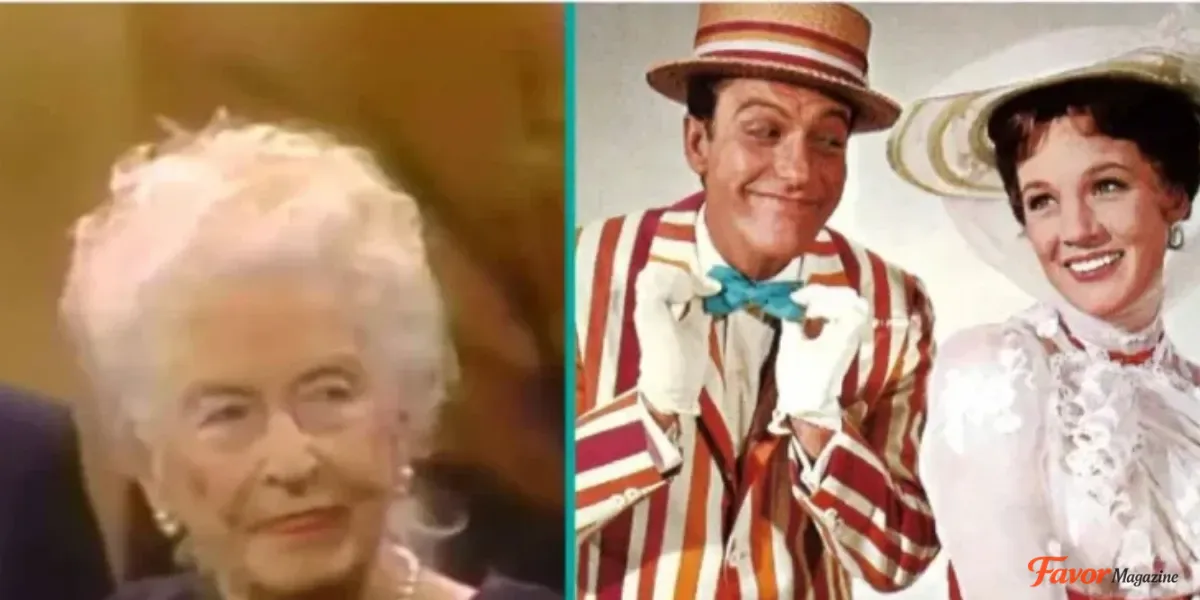
Hazel Vorice McCord, later known as Hazel Vorice Van Dyke, is the mother of Dick Van Dyke and Jerry Van Dyke — two of the most beloved entertainers in American comedy history. Born on October 6, 1896, in East Lynn, Vermilion County, Illinois, she is the Van Dyke family matriarch whose quiet strength, rural Illinois values, and stenographer’s precision shaped the character and talent of the Van Dyke brothers from their earliest years in Danville, Illinois. She married Loren Wayne “Cookie” Van Dyke in 1925, raised Richard Wayne Van Dyke and Jerry McCord Van Dyke through the Great Depression and mid-century America, and lived to the age of 95, passing away on September 27, 1992, in Coronado, California. This is the complete Hazel Vorice McCord biography — covering her family background, professional career, marriage, role as a behind the scenes mother of famous entertainers, Mayflower descendant heritage, and the legacy she left in American comedy history.
Personal Information
| Feature | Details |
|---|---|
| Full Legal Name | Hazel Vorice McCord (later Hazel Vorice Van Dyke) |
| Date of Birth | October 6, 1896 |
| Birthplace | East Lynn, Vermilion County, Illinois, USA |
| Father | Charles Cornelius McCord (1871–1937) |
| Mother | Adeline Verinda Neal (1873–1959) |
| Spouse | Loren Wayne “Cookie” Van Dyke (married 1925) |
| Sons | Richard Wayne Van Dyke (Dick Van Dyke), Jerome McCord Van Dyke (Jerry Van Dyke) |
| Primary Vocation | Professional Stenographer and Homemaker |
| Ancestry | Mayflower Descendant — Cooke and Hopkins lines |
| Date of Death | September 27, 1992 |
| Age at Death | 95 years old |
| Place of Death | Coronado, San Diego County, California |
| Final Resting Place | Sunset Memorial Park, Danville, Illinois |
Who Hazel Vorice McCord Was
Hazel Vorice McCord is one of those figures that American cultural history consistently overlooks and consistently should not. She is the woman who raised Dick Van Dyke — the star of The Dick Van Dyke Show, Mary Poppins, and one of the most enduring presences in American entertainment — and Jerry Van Dyke, the character actor and comedian whose career spanned decades of American television. Both men came from the same modest Illinois household, raised by the same woman, shaped by the same values, and sent out into the world with the same moral backbone that Hazel spent her entire adult life building and reinforcing.
Her story is a textbook example of unrecognized women history in America — the kind of biography that gets buried in footnotes because the woman in question never sought the spotlight for herself. She was a behind the scenes mother whose contributions to American comedy are visible in every performance her sons ever gave, even if her name never appeared in the credits. The Van Dyke brothers’ childhood was her most significant project, and by every measure it was a masterpiece.
Early Life in East Lynn and Vermilion County Illinois
Hazel was born in East Lynn, a small village in Vermilion County, Illinois, on October 6, 1896. Her father Charles Cornelius McCord was a man of steady habits and strong community standing. Her mother Adeline Verinda Neal was the kind of woman whose influence showed up in her daughter’s character — patient, organized, morally clear. The McCord household in rural Illinois was shaped by the values that defined heartland America at the turn of the 20th century — hard work, education, community loyalty, and faith.
Growing up in Vermilion County Illinois at the end of the 19th century meant growing up in a world defined by seasonal rhythms, church gatherings, prairie landscapes, and a community where character was the primary currency. Those formative years gave Hazel a grit and groundedness that no later circumstance — not the Great Depression, not her husband’s extended travel for work, not the dizzying fame that eventually surrounded her sons — was ever able to shake.
Her Mayflower descendant heritage through the Cooke and Hopkins lines connected her to one of the oldest American lineages in existence, which added a dimension of historical dignity to her already strong sense of personal identity. She carried that heritage quietly, as she carried most things — as a private foundation rather than a public credential.
Hazel McCord’s Stenographer Career in the Early 1900s
Before Hazel became the full-time homemaker the Van Dyke family would later depend on, she pursued a professional career as a stenographer in the early 1900s. That stenographer career early 1900s context is important — in an era when professional roles for women were genuinely limited, working as a stenographer required high literacy, speed, precision, and organizational intelligence that most women of her generation never had the opportunity to demonstrate in a professional setting.
The stenographer to homemaker career transition that Hazel made after her marriage to Cookie Van Dyke was not a step down — it was a redirection of the same skills into a different arena. The precision communication she developed through shorthand and transcription carried directly into how she managed her household, how she communicated with her children, and how she approached the practical challenges of raising a family through the economic instability of the Great Depression. Her home was run with a professional’s eye for detail and a mother’s depth of care, and the combination produced an environment where talent could develop safely.
Marriage to Loren “Cookie” Van Dyke
Hazel and Loren Wayne Van Dyke married in 1925, and their partnership is one of the more interesting complementary relationships in the backstory of American entertainment. Cookie Van Dyke was a traveling salesman — outgoing, charming, with the natural showman energy that is visible in both of his sons’ professional personas. Hazel was his organizational and moral counterweight — steady, consistent, grounded in the rural Illinois values that kept the family centered through decades of change and movement.
As a traveling salesman, Cookie was frequently away from home for extended periods, which meant that Hazel was the constant presence in the Van Dyke family upbringing. She managed the household, handled the finances, provided the emotional stability, and made the daily decisions that shaped her sons’ character during the years when character is actually formed. Their marriage lasted until Loren’s passing in 1975 — fifty years of partnership that weathered the Great Depression, two world wars, the rapid transformation of American society, and the unprecedented fame that arrived when their sons became household names.
The Loren Cookie Van Dyke marriage 1925 is not just a biographical data point. It is the foundation on which everything else in the Van Dyke family story was built. Without Hazel’s steady hand anchoring the household while Cookie traveled, the environment that produced Dick and Jerry Van Dyke would have been fundamentally different.
Raising Dick Van Dyke and Jerry Van Dyke — The Real Work
The Van Dyke brothers’ childhood in Danville, Illinois, is where Hazel’s most significant contribution to American culture actually happened. Raising Richard Wayne Van Dyke and Jerry McCord Van Dyke through the Depression era, through mid-century America, through the early stages of careers that neither of them could have fully anticipated, required a particular kind of parenting — one that balanced encouragement with discipline, creative freedom with moral grounding, and humor with the seriousness of values.
Hazel recognized early that both boys had natural gifts for comedy and performance. Rather than dismissing those talents as impractical or discouraging them in favor of more conventional paths, she used her organizational instincts to find them local outlets — Dick’s involvement in the church choir and local theater in Danville came directly from her encouragement. That Dick Van Dyke church choir mother influence is a small detail that points to something much larger — a parent who saw her children’s gifts clearly and took practical steps to develop them rather than simply hoping they would find their own way.
For Jerry McCord Van Dyke, she was a source of consistent encouragement as he developed the comedic timing and character-based performance style that defined his television career. Neither brother grew up in a wealthy household or with obvious industry connections. What they had was a mother who believed in their talent, provided a stable home base from which to take risks, and gave them the moral backbone to navigate the entertainment industry without losing themselves in it. That is the supportive mother celebrity upbringing story at its most genuine.
Life Through a Century of American Change
Hazel Vorice McCord was born in 1896 into a world of horse-drawn carriages and died in 1992 in the era of cable television and satellite communication. That span — 95 years across the entirety of the American Century — makes her a genuine life witness to change in a way that few biographical subjects can claim. She saw the arrival of commercial flight, the devastation of two world wars, the moon landing, the civil rights movement, the rise of television, and the emergence of the internet age, all from the vantage point of a woman who kept her family’s values intact through every shift.
The Great Depression family survival chapter of her life is particularly significant. Managing a household with two growing boys, a frequently traveling husband, and severely constrained financial resources during the 1930s required the full range of skills she had developed as a stenographer and as a product of rural Illinois discipline. The family moved during this period — including a time in Little Rock, Arkansas — as Cookie sought work and stability. Through each move, Hazel was the constant, the anchor, the person who made a new location feel like home quickly enough that her sons’ development was never seriously disrupted.
Her nickname in family and community circles was reportedly “The Rock,” which is as clear a character assessment as any formal biography could offer. She did not bend when circumstances pushed. She absorbed the pressure and gave her family a stable surface to stand on.
Hazel McCord’s Legacy in American Comedy
The legacy and meaning of Hazel Vorice McCord is inseparable from the Van Dyke comedy legacy that her sons built across decades of American entertainment. Dick Van Dyke’s physical comedy, his warmth, his commitment to clean performance and genuine connection with audiences — those qualities do not emerge from nowhere. They are the product of a childhood spent in a household where humor was valued, where integrity was non-negotiable, and where a mother made it clear that talent is a gift to be shared rather than an ego to be fed.
Jerry Van Dyke’s career, while less globally prominent than his brother’s, reflects the same foundation — a comedian who built his reputation on likability, character work, and the kind of relatability that comes from genuine humility. Both brothers consistently credited their upbringing and their mother’s influence in interviews throughout their careers. That is the Hazel McCord maternal influence on artistic talent made explicit.
She passed away on September 27, 1992, just nine days before what would have been her 96th birthday, in Coronado, San Diego County, California. She is buried at Sunset Memorial Park in Danville, Illinois — the city where she raised her sons, where the Van Dyke brothers comedy roots took hold, and where the story of American comedy’s most quietly influential family member properly began.
Frequently Asked Questions
Who was Hazel Vorice McCord?
Hazel Vorice McCord, later Hazel Vorice Van Dyke, was the mother of Dick Van Dyke and Jerry Van Dyke and the matriarch of the Van Dyke family. She was born in East Lynn, Illinois, in 1896 and raised both sons through the Great Depression with rural Illinois values and professional discipline.
What was Hazel Vorice McCord’s professional career?
Before becoming a full-time homemaker, Hazel worked as a stenographer in the early 1900s. The precision, literacy, and organizational skill that career required carried directly into how she managed her household and raised her sons in Danville, Illinois.
Who were Hazel McCord’s parents?
Her father was Charles Cornelius McCord, born 1871, and her mother was Adeline Verinda Neal, born 1873. Both parents were from Vermilion County, Illinois, and instilled in Hazel the rural values and moral discipline that defined her character throughout her life.
Was Hazel Vorice McCord a Mayflower descendant?
Yes. Hazel McCord was a Mayflower descendant through the Cooke and Hopkins passenger lines, connecting the Van Dyke family to one of the oldest and most historically significant lineages in American colonial history.
How old was Hazel Vorice McCord when she died?
Hazel died on September 27, 1992, in Coronado, San Diego County, California, at the age of 95 years old — just nine days before her 96th birthday. She is buried at Sunset Memorial Park in Danville, Illinois.
How did Hazel McCord influence Dick Van Dyke’s career?
She encouraged Dick’s involvement in the church choir and local theater in Danville, recognized his comedic talent early, and provided the stable, values-driven home environment that gave him the confidence and moral grounding to pursue an entertainment career without losing himself in it.
Final Word
Hazel Vorice McCord is the kind of figure that history consistently undervalues and consistently should not. She was born in a small Illinois village in 1896, raised two of America’s most beloved entertainers through poverty and instability and constant change, and died at 95 having never sought a single moment of the spotlight that shone so brightly on her sons. The Van Dyke family matriarch story is at its core a story about what quiet influence actually looks like — not loud, not public, not credited in any program or award ceremony, but visible in every clean performance, every genuine laugh, every moment of humility that Dick Van Dyke and Jerry Van Dyke brought to their audiences across decades of American entertainment. Hazel Vorice McCord from East Lynn, Illinois, is the reason any of that happened. Her legacy is in the laughter, and that is a legacy that does not fade.